The ongoing situation at the Nippon Dynawave Packaging plant in Longview, Washington, underscores a deeply troubling reality in industrial safety protocols and emergency preparedness. As first responders continue their efforts in the aftermath of a catastrophic explosion, the tragic fate of nine missing individuals casts a long shadow over not just the facility, but also the communities and systems that surround it. The sheer scale of the incident—stemming from the rupture of a 900,000-gallon tank filled with white liquor—raises immediate questions about safety practices in dangerous chemical environments.
At approximately 7:15 a.m. local time, the tank failure resulted in a cascading emergency, sending ten people to local hospitals, where two later succumbed to their injuries. According to Cowlitz Fire Chief Scott Goldstein, the assessment of the incident suggests little hope remains for the missing, emphasizing the hazardous conditions that rescue teams face. “At the moment, we are not aware of any rescues that are yet to be made that are being hampered by the situation at hand,” he stated decisively.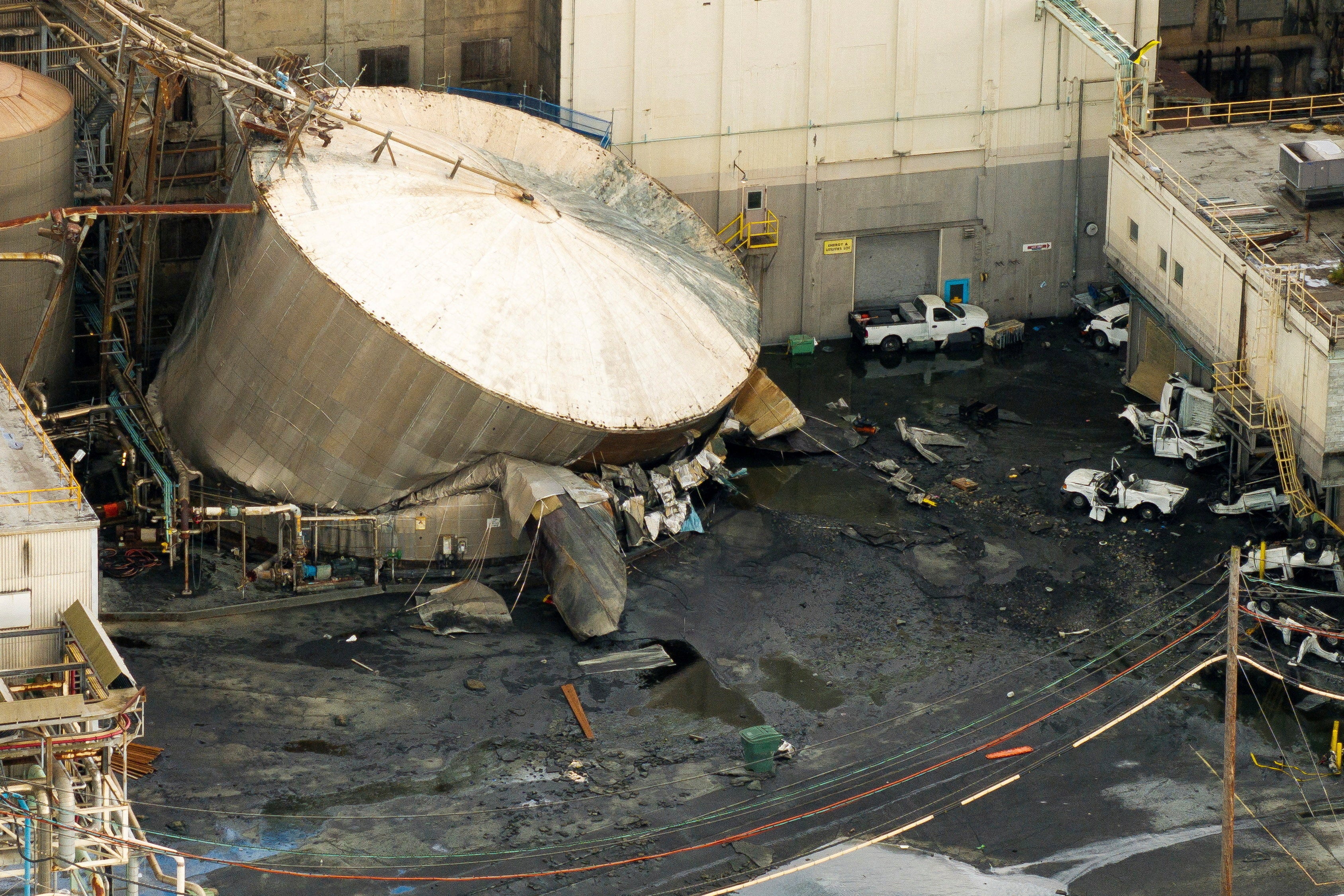
Rumors of Contamination and Public Health Concerns
Initial assessments indicated a potential 90,000 gallons of hazardous substances remained on-site, creating dire circumstances for responders. However, that figure has since been revised downward to about 25,000 gallons of the white liquor—an integral chemical used in the papermaking process. This reduction may offer some relief, as crews work to stabilize the structural integrity of the ruptured tank before advancing with recovery operations. The Longview Fire Department confirmed that the remaining product's volume now allows for a more structured response, fostering some optimism amid the devastation. “Crews are actively assessing the structural integrity of that tank,” said Goldstein, elaborating on the calculated steps required to safely handle the situation.
A critical aspect of this incident involves the environmental impact. Early reports of contamination infiltrating the Columbia River have raised alarms, yet officials maintain that no immediate public health threats have been confirmed. The local community, already on edge due to the explosion's aftermath, faces conflicting messages regarding air quality and drinking water safety. Washington Governor Bob Ferguson emphasized the importance of community awareness while expressing gratitude for the tireless efforts of first responders. “Our thoughts and our prayers are with everybody impacted by this tragedy,” he stated, driving home the emotional weight of the situation.
The Human Cost of Industrial Mishaps
Rep. Marie Gluesenkamp Perez poignantly reflected on the unthinkable nature of such incidents during a recent press briefing, acknowledging the profound psychological toll on emergency personnel and healthcare workers who navigated this chaotic scene. “Our first responders and our emergency room workers, our nurses, and many people here, have seen truly unthinkable horrors today,” she said, highlighting the often-overlooked repercussions of such disasters beyond the immediate physical injuries[1].
Analyzing this incident raises uncomfortable but necessary questions about workplace safety in similar industrial settings. The plant, which employs around 550 individuals and produces roughly 280,000 tons of paperboard annually, had been subject to prior concerns that the state’s Labor and Industries Department is now examining more closely. Notably, two inspections were ongoing prior to the explosion, although officials clarified that these were unrelated to the explosion itself—one stemming from complaints about a valve issue and the other concerning a failed drain that had created a sinkhole.
Looking Forward: Systemic Changes Needed?
As recovery efforts persist, the need for a systemic review of safety regulations looms large. This incident may act as a catalyst for reevaluating safety protocols and emergency response strategies on both local and national levels. The undeniable human and environmental stakes present an urgent need for the industry to ask: How can similar tragedies be prevented in the future?
First responders are already under significant pressure to manage the consequences of this disaster while dealing with the hazardous materials involved. Longview officials have assured the public that no immediate risks remain, stressing the fact that the community's monitoring (including assessments from both the Washington State Department of Ecology and the U.S. Environmental Protection Agency) is ongoing. Still, the long-term response to both the victims left in the wake of this tragedy and the community's remaining concerns will require coordinated efforts and open dialogue about safety practices.
Ultimately, events like this serve as stark reminders that industrial and environmental safety cannot be taken for granted. As the story continues to unfold, the hope remains that effective measures will rise from these ashes—both for the individuals hurt and for the overarching regulatory landscape of industrial work.