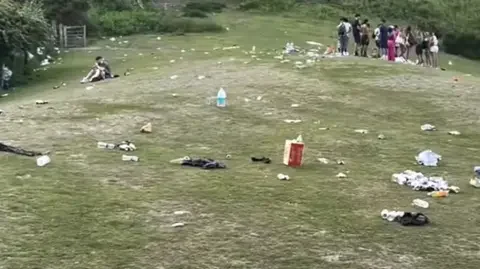
Overflowing litter left in the wake of a bank holiday weekend has prompted the National Trust to issue an urgent plea for greater environmental responsibility, highlighting a troubling trend at popular natural sites. The situation unfolded at Carding Mill Valley, a cherished beauty spot in Shropshire, where substantial amounts of rubbish accumulated, including food packaging and dog waste bags.
The Rise of Visitor Numbers and Associated Challenges
Bank holidays in the UK traditionally draw large crowds to scenic locales. This year was no different, with many seeking refuge in nature as a break from their everyday lives. While increased footfall can boost local economies through tourism, it often brings unintended consequences. The National Trust reported that Carding Mill Valley experienced an "exceptionally high number" of visitors, and that kind of surge inevitably leads to litter issues. When the landscape gets swarmed, so does the potential for trash accumulation, and this brings with it a host of problems.
The aftermath of such weekends leaves behind not just visible litter, but also long-lasting effects on the environment. As natural areas become overwhelmed, they face greater risks of upsetting local wildlife and damaging fragile ecosystems. What happens here is emblematic of a larger issue: as natural spaces gain popularity, the challenges surrounding their maintenance multiply. When you consider the delicate balance these ecosystems must maintain, it becomes clear that more visitors can lead to irreversible damage if left unchecked.
The Response from the National Trust and Local Community
Though the Trust expressed gratitude for the staff and volunteers who rapidly mobilized to clean up the area, the incident underscores the long-term implications of litter on local ecosystems. Cleaning operations may provide a temporary solution, but they don’t address the root of the problem. The statement from the Trust highlighted that carelessness in litter disposal could have a "serious impact" on the environment. This leads to the pressing question: how can we encourage sustainable behavior among visitors?
The local community’s response was commendable, with groups like the Shropshire Young Farmers stepping in to assist in the cleanup efforts. It's refreshing to see local volunteers banding together to take action. However, their initiative shouldn’t overshadow the necessary conversation about personal responsibility when it comes to littering. If you’re working in this space or passionate about environmental advocacy, consider how urgent outreach efforts can help guide public behavior to ensure these areas remain pristine for everyone.
Call to Action: Changing Visitor Habits
The National Trust’s call for individuals to take their litter home and dispose of waste responsibly is more than just a request; it’s a challenge for all of us to adopt a more conscientious approach to our outdoor activities. As the Trust emphasized, “Small actions from everyone can make a big difference.” This isn’t just corporate speak—it reflects a fundamental truth about our shared relationship with nature. If every visitor took that to heart, the cumulative effect could be significant.
(and this is the part most people overlook) The reality is that even minimal shifts in behavior among visitors can lead to cleaner environments. Programs that encourage responsibility, such as informational campaigns at popular sites, could play a vital role in shaping how people engage with the landscape. Signs reminding visitors to “Leave No Trace” or provide easily accessible facilities for waste disposal could foster a culture of respect for the natural world.
Implications for Future Visitor Management
The consequences of neglecting this call for action stretch beyond aesthetics. Pollution from litter can infiltrate waterways, harm wildlife, and even have economic repercussions for local areas that rely on eco-tourism. Areas like Carding Mill Valley, which attracts scores of visitors, face unique hurdles that necessitate thoughtful solutions. This situation highlights the importance of sustainable visitor management practices that balance enjoyment of natural beauty with preservation.
Authorities might need to consider implementing stricter regulations or enhanced visitor management systems. Things like scheduled access times or limitations on visitor numbers during peak periods could help mitigate the impacts of large crowds. However, such measures will likely meet resistance, particularly from businesses that thrive on high visitor numbers. The balancing act is complex, but let's face it: If people want accessible natural spaces, they also have to be part of a larger solution.
For now, Carding Mill Valley serves as a cautionary tale. It underscores the pressing need to educate visitors and foster an ethos of environmental stewardship. The conversation must extend beyond cleanup efforts; it requires a shift in mindset where every individual understands their responsibility to the environment. Implementing changes may not be straightforward, but the significance of maintaining these treasured natural spaces cannot be overstated. Our future interactions with nature depend on it.