Potential Pay Increase for Hong Kong Civil Servants Revealed in Survey
·5 min read
Potential Pay Increase for Hong Kong Civil Servants
A recent survey reveals that civil servants in Hong Kong could be due for a pay bump of up to 4.12%. This finding stands out, particularly against a backdrop of rising living costs and ongoing debates about fair compensation in public service roles. Given the economic pressures faced by many families, it’s no surprise that government employees are advocating for salaries that reflect the realities of the market.
This potential salary rise coincides with a significant organizational change: the introduction of a stringent performance appraisal system, set to kick off in October. Under this new framework, the bottom 10% of performers will face a pay freeze. This shift points to a growing commitment to a meritocratic system, which could sharpen the delineations among civil servants. For those involved in HR or management in the public sector, these changes could signal a pivotal moment to reassess retention strategies and employee morale. You might find the implications of this adjustment far-reaching.
The clarity of how these survey findings were generated remains in question. This adds another layer of uncertainty as the government prepares to evaluate its budget. While the figures may fluctuate, the emphasis on performance-based pay adjustments signals an escalating expectation for accountability and effectiveness within the civil service. Examining the rationale behind these changes is critical for anyone navigating this system—after all, accountability can significantly influence morale.
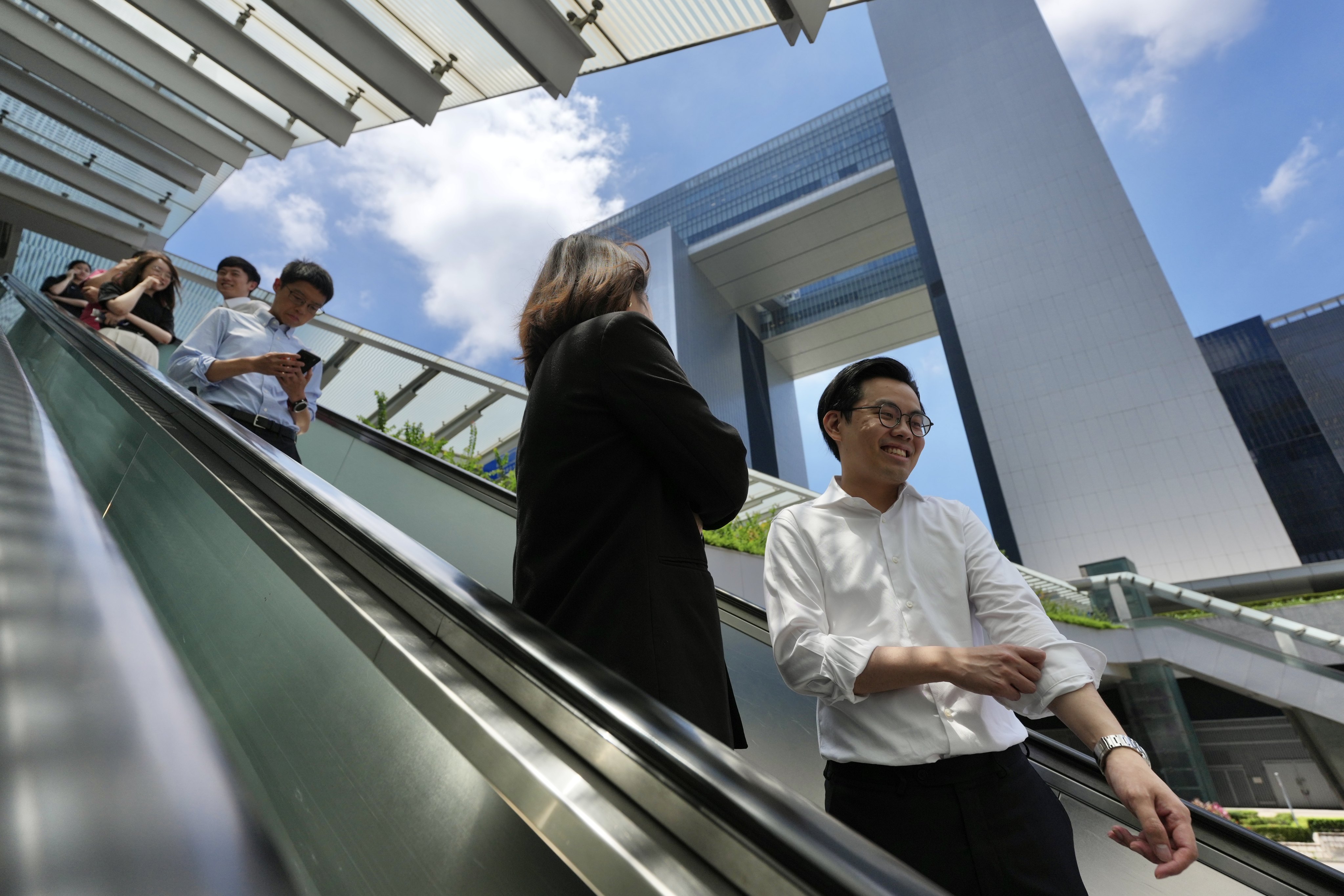
Photo: Karma Lo
This ongoing dialogue raises significant questions about job satisfaction and efficiency in civil service roles. The civil service sector often faces criticism for its inefficiencies and bureaucratic hurdles. These pay adjustments could either invigorate the workforce, by recognizing hard work, or, conversely, lead to discontent if mishandled. Understanding the nuances of this situation is essential for stakeholders who wish to successfully navigate the evolving dynamics of civil service employment in Hong Kong.
Looking Ahead: Impact of Proposed Salary Increases
The preliminary findings from Hong Kong's latest pay trend survey show a potential salary increase for civil servants of up to 4.12% this year. Yet, the specific details and broader implications necessitate closer examination. This increase, pending the Executive Council's approval, may appease some critics, especially following the tragic Tai Po fire incident, which underscored the importance of fair worker compensation amid public outcry.
Breaking down the numbers, senior civil servants stand to gain the most, with a notable 4.12% increase. In contrast, middle-ranking employees would see a more moderate rise of around 2.64%, while junior staff would receive a mere 1.17%. These discrepancies suggest a clear hierarchy in how the government plans to adjust compensation. This hierarchy could lead to increasing tensions within the workplace, especially among those striving for upward mobility.
While Secretary for the Civil Service Ingrid Yeung Ho Poi-yan expressed confidence in the professionalism and commitment of most civil servants, the timing of these proposed increases amidst public sentiment warrants scrutiny. She acknowledged that societal reaction will play a vital role in the Executive Council’s final decision. This is more significant than it seems. Public perception, especially in the aftermath of a disaster, can swiftly turn from supportive to critical if salary increases seem excessive or poorly timed.
Moreover, Yeung's plans to implement a stricter performance appraisal system add another layer of complexity. The new measures include a framework in which the bottom 10% of performers might forfeit any salary hikes altogether. While this approach aims to bolster accountability, it also brings up significant concerns regarding how these pressures will impact employees who are already managing demanding workloads. Will civil servants be driven to excel, or will they feel demoralized? It's a delicate balance.
Broader Implications and Future Outlook
What this means for you, as someone interested in public sector dynamics, is that these proposed salary adjustments could usher in a new phase for civil service employment in Hong Kong. They shine a light on critical issues surrounding equity and workplace morale. As the government decides on the final structure of these increases, the reactions from both civil servants and the public will be pivotal.
And here's the part most people overlook: the broader societal implications of these changes. The atmosphere in which these adjustments take place could either foster an environment of engagement and commitment or lead to skepticism and unrest among employees. If civil servants perceive the performance appraisal system as punitive, rather than motivating, the intended effects of the salary raises could backfire.
For stakeholders and observers in this space, monitoring the reactions and subsequent decisions closely is paramount. The outcomes will influence not just the future of civil service employment but also public trust in government institutions. It's clear that more is at stake here than just a few percentage points in pay. The public sector's credibility hangs in the balance as it navigates these challenging waters.